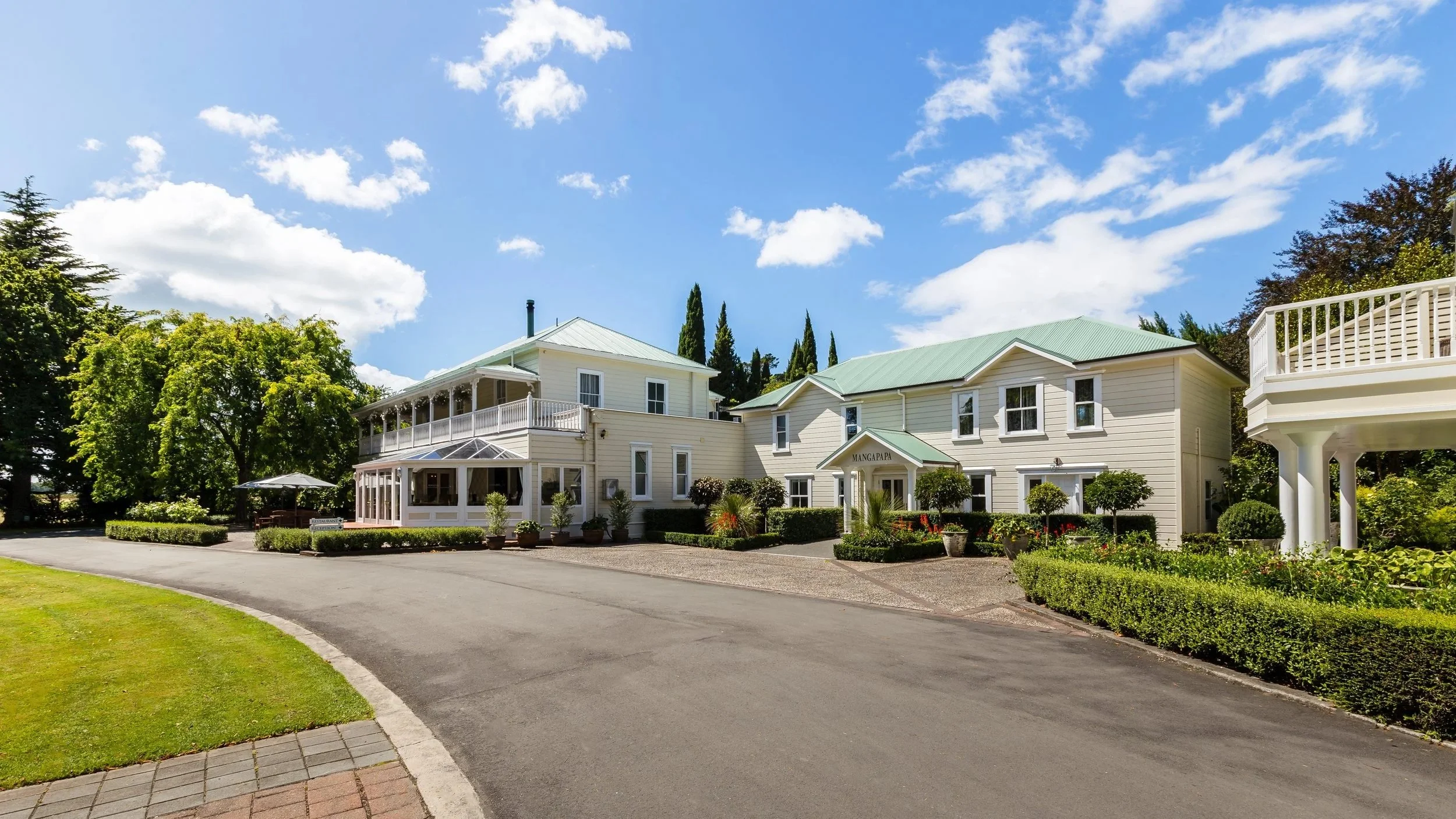
Mangapapa Hotel, Havelock North
If you run an accommodation business, your photography is doing a job long before a guest ever arrives. It's what convinces someone to book, what sets expectations, and what gets shared when they leave. This applies whether you're running a resort with fifty rooms or a single self-contained Airbnb unit, in Hawke's Bay, around Taupo, or anywhere else in New Zealand. Good accommodation photography doesn't happen by accident though. The properties that get the best results are the ones that prepare properly before the photographer turns up.
A well prepared property in average light beats a messy property in perfect light, every time. Here's what actually makes the difference, whatever size and type of accommodation you run.
Think beyond early morning and evening
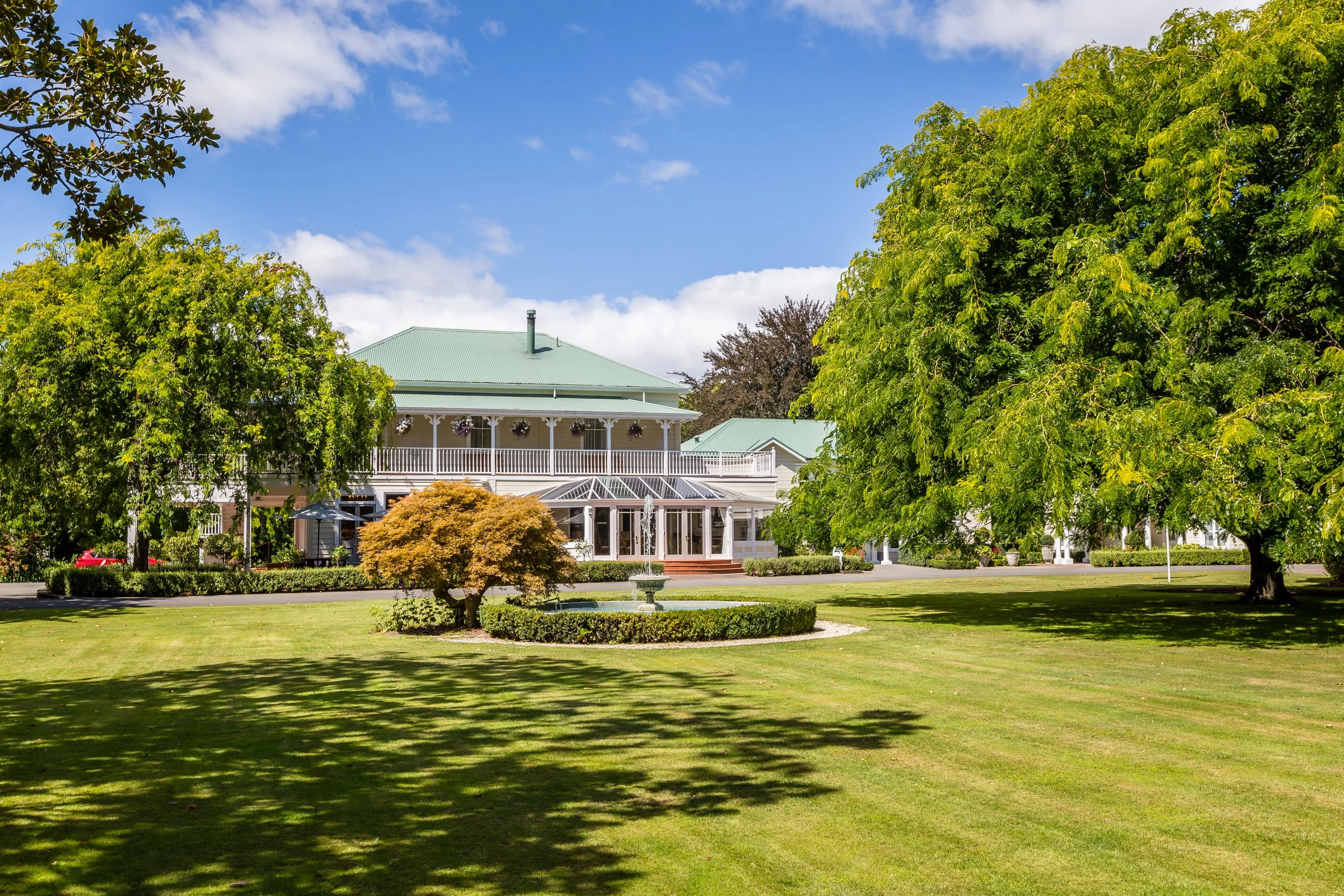
There's a common assumption that accommodation photography only works at sunrise or sunset. Those golden hour windows are valuable, but they're not the whole story. A bright, blue sky day, the kind of light people associate with actually being on holiday, sells a property just as effectively. It shows guests exactly what they're hoping to experience, whether that's a sunny afternoon by the pool, a clear day exploring Hawke's Bay's vineyards, or a still day out on the water near Taupo.
Twilight is worth building into the shoot too. Interior and exterior lighting comes into its own once the sky goes soft and blue, and a well lit building or outdoor entertaining area at dusk often becomes one of the strongest images from the whole shoot. If your property has a distinctive exterior, a pool area, or outdoor dining space, ask your photographer to plan for a twilight session alongside the daytime shots.
The right approach depends on what you're trying to show. Talk to your photographer about which rooms and outdoor spaces matter most, then build the shoot around the light that suits each one, rather than defaulting to a single early morning session and calling it done.
Present rooms the way you want guests to imagine them
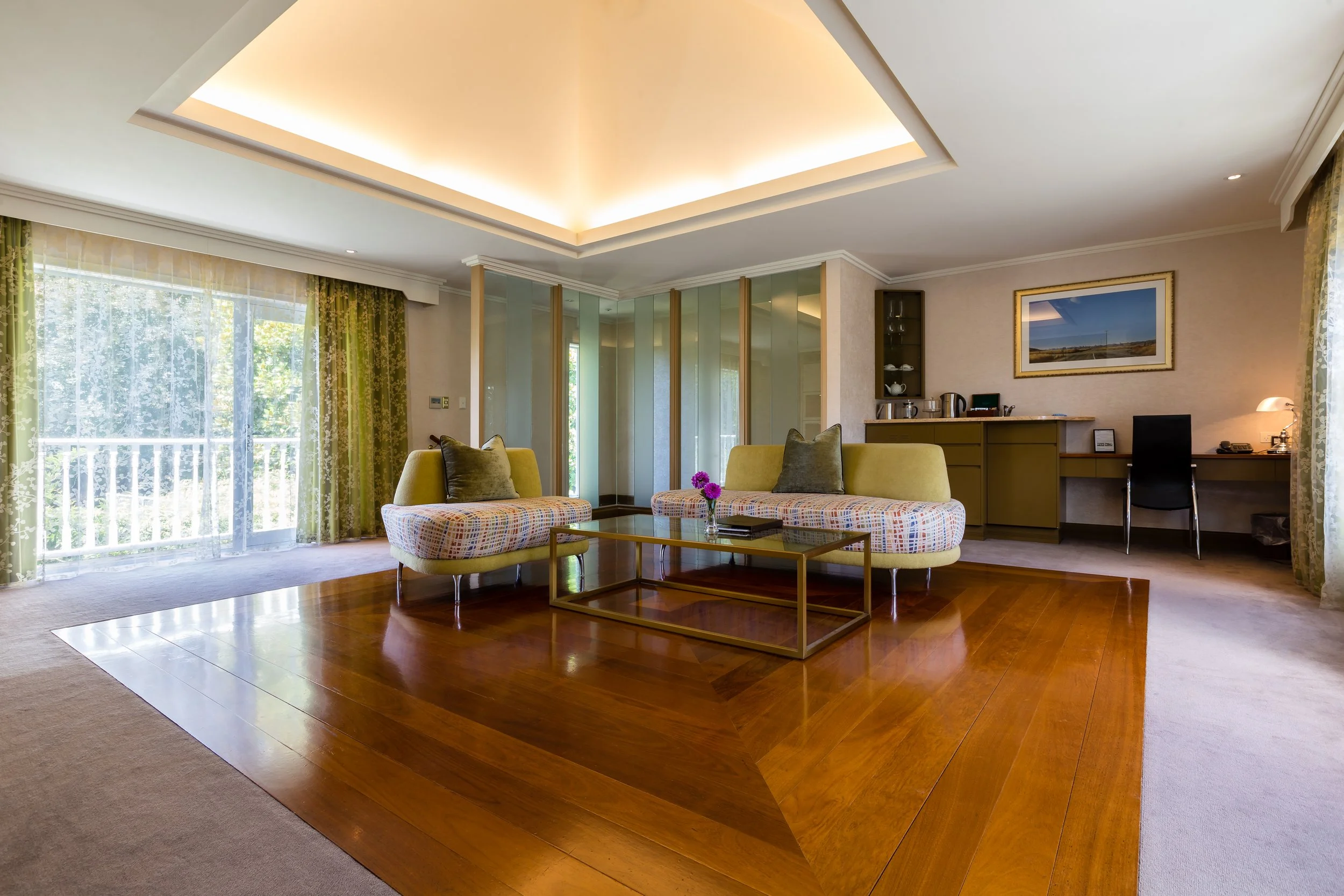
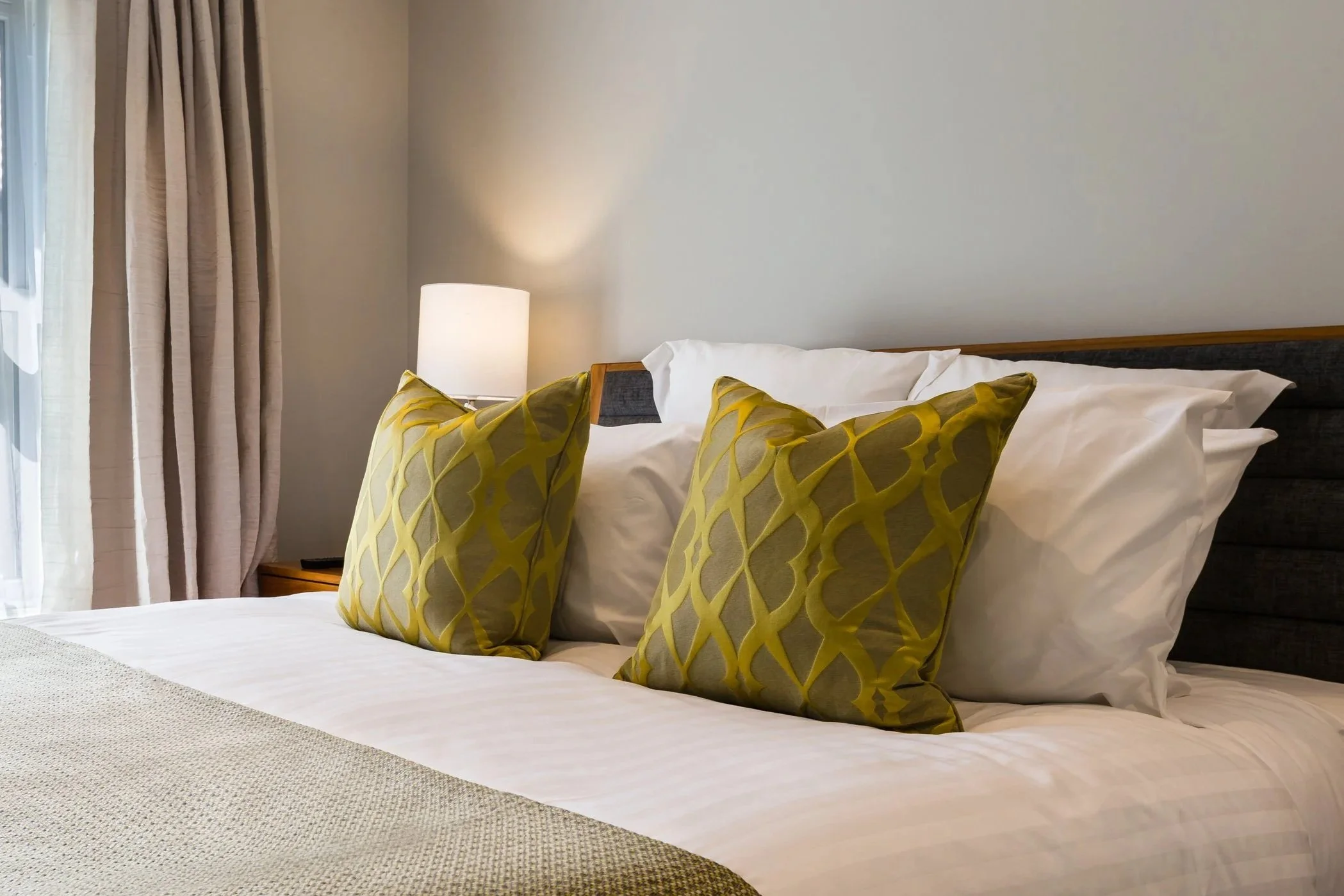
This sounds obvious, but it's the single biggest factor in how a shoot turns out, regardless of scale. Every surface tells a story in a photograph that it doesn't tell in person. Fresh linen, styled cushions, no visible power cords or Wi-Fi routers, minibars closed, curtains and blinds set consistently across rooms.
A few things worth doing before the camera arrives:
Remove personal or maintenance items from view (fire extinguishers, cleaning trolleys, staff notices, bins)
Set tables and outdoor furniture as you would for an actual guest
Add a few considered styling touches, like fresh flowers or a book on a bedside table, without overdoing it
Check that any branded items on display (robes, welcome cards, glassware, key cards) are current
If you have a hero room or unit that represents the property well, flag it early. That's often the one that ends up doing the most work across your website, OTA listings and social media.
Brief your team, or plan your own day, accordingly
For larger operations, a shoot runs far more smoothly when the team knows what's happening and when. Housekeeping needs to know which rooms are being photographed and in what order, so nothing is mid-service when the photographer arrives. If food and beverage spaces are involved, coordinate with the kitchen so plated shots or dining scenes can be styled without disrupting service. It also helps to have one point of contact on site for the day, someone who can unlock spaces, move furniture, and make quick styling calls, especially if the day runs from morning light through to twilight.
Small and self-managed operators, including many Airbnb hosts and motel owners, are effectively their own on-site contact. The same logic still applies. Walk through the property with fresh eyes, as if you were seeing it for the first time, and deal with anything that would catch a guest's attention in a photo.
Think about what you actually need, not just what looks good
It's easy to end up with a beautiful gallery of images that doesn't actually serve your marketing. Before the shoot, make a list of where the images will be used. Website hero images tend to need more open, uncluttered compositions, and this is often where a twilight or bright blue sky shot earns its place. Social media often works better with tighter, more atmospheric shots. OTA listings and Airbnb's own platform usually need clear, well lit, straightforward shots of each room and space that set accurate expectations for guests.
Giving your photographer this list upfront means the shoot can be planned to cover every use case, rather than trying to make one set of images stretch further than it should. This matters just as much for a two-bedroom Airbnb as it does for a large resort, since a small property often relies even more heavily on its photography to convert a browsing guest into a booking.
Consider the season and what it says about your property
New Zealand's regions each carry a distinct sense of season, and it's worth using that. In Hawke's Bay that might mean vineyard views or warm summer light, while around Taupo it could be lake reflections on a still morning or the kind of crisp, clear day the region is known for. Coastal light, autumn colour, or a still winter scene can all say something about a property that a generic sunny-day shot alone doesn't. If your accommodation has a strong seasonal character, plan the shoot around showing it, rather than defaulting to the first available date.
Shoot for your future marketing, not just today's listing
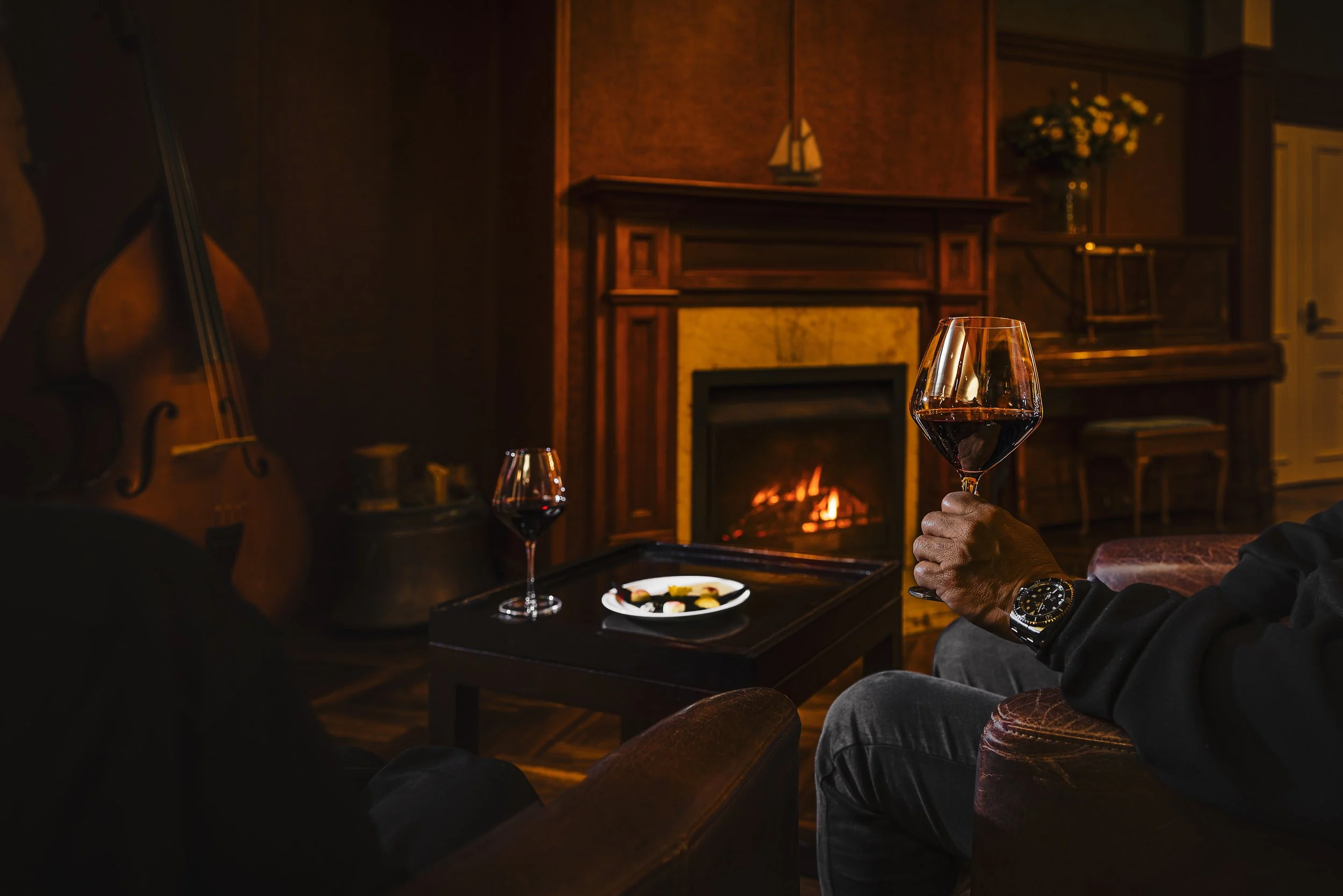
It's worth thinking beyond straightforward documentation of the property. A handful of images built specifically for seasonal marketing can end up doing more work than the rest of the gallery combined. A roaring fire, a glass of red wine, and a cosy corner of the living room says everything a winter promotion needs to say without a word of copy. The same thinking applies across the year: a table set for alfresco dining signals summer, a steaming coffee on a quiet deck signals a shoulder-season escape.
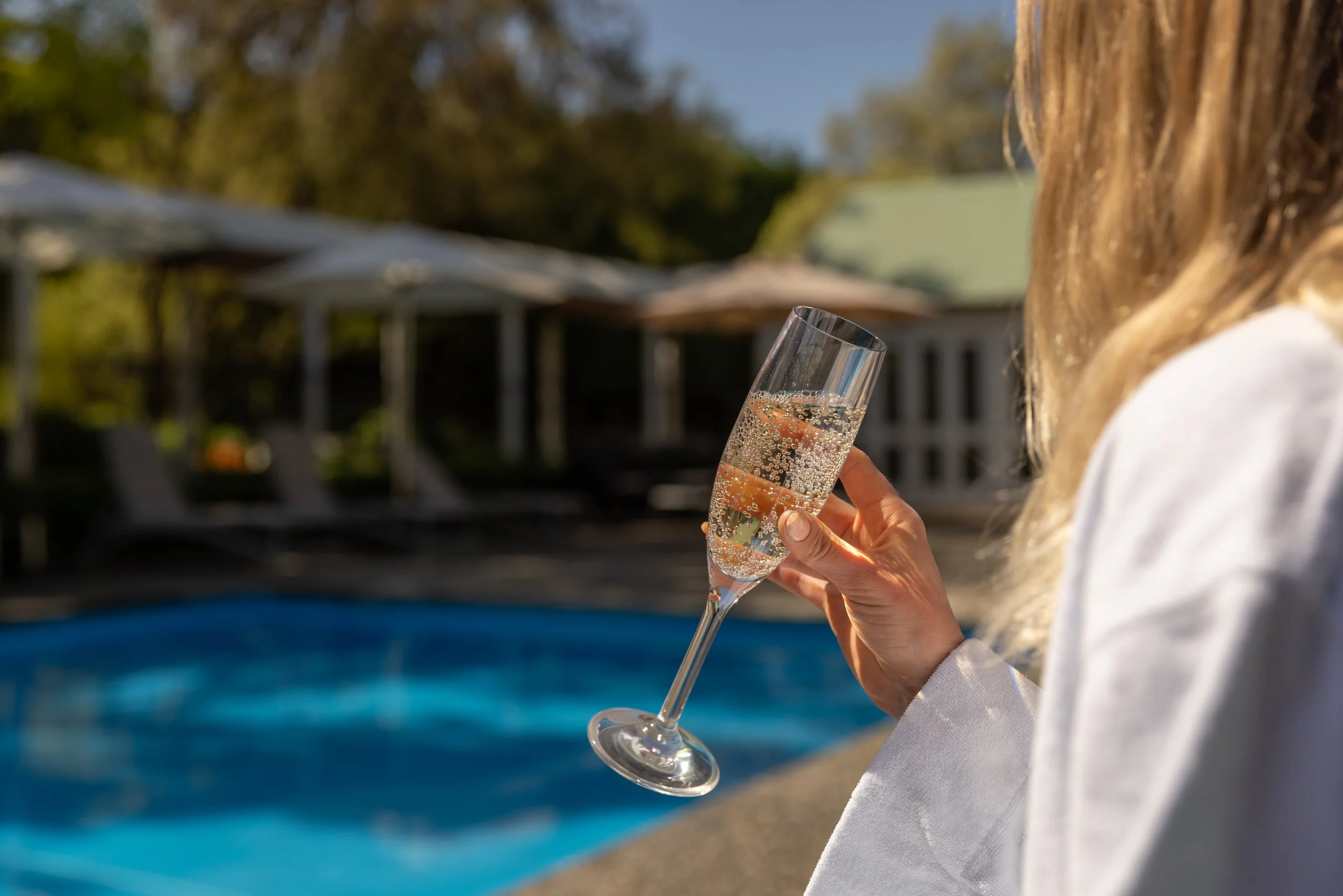
A poolside spa day tells its own story too, a glass of bubbles by the water, robes draped over a lounger, the kind of relaxed indulgence that sells a wellness package far better than a plain shot of the pool on its own.
These kinds of images are easy to plan for while the photographer is already on site, and they give you a ready-made library for EDMs, social posts and seasonal offers long after the main shoot is done. If you know you'll want to run a winter promotion, a spa or wellness package, or another specific seasonal campaign, mention it before the shoot so those shots can be built in rather than added as an afterthought.
Getting it right pays off for years
Accommodation photography has a long shelf life when it's done properly. A well planned shoot, covering daytime, golden hour and twilight, can serve your website, OTA listings, print material and social channels for several years before it needs refreshing. That makes the preparation worth the effort, whether you're weighing up the cost as a large resort or as an independent Airbnb host. A day of careful planning turns into imagery that keeps earning bookings long after the shoot itself is forgotten.