Why Hire an NZIPP-Accredited Photographer? What the Qualification Actually Means

Most people searching for a photographer will glance at a portfolio, check a price, and make a call. That's understandable. But there's a question worth asking before you hire anyone: what qualifies them to do this work professionally?
NZIPP accreditation is one of the few genuine answers to that question in New Zealand. It's not a membership you pay for or a badge you download. It's a formal assessment process run by the New Zealand Institute of Professional Photography, and it means something specific.
What NZIPP accreditation actually involves
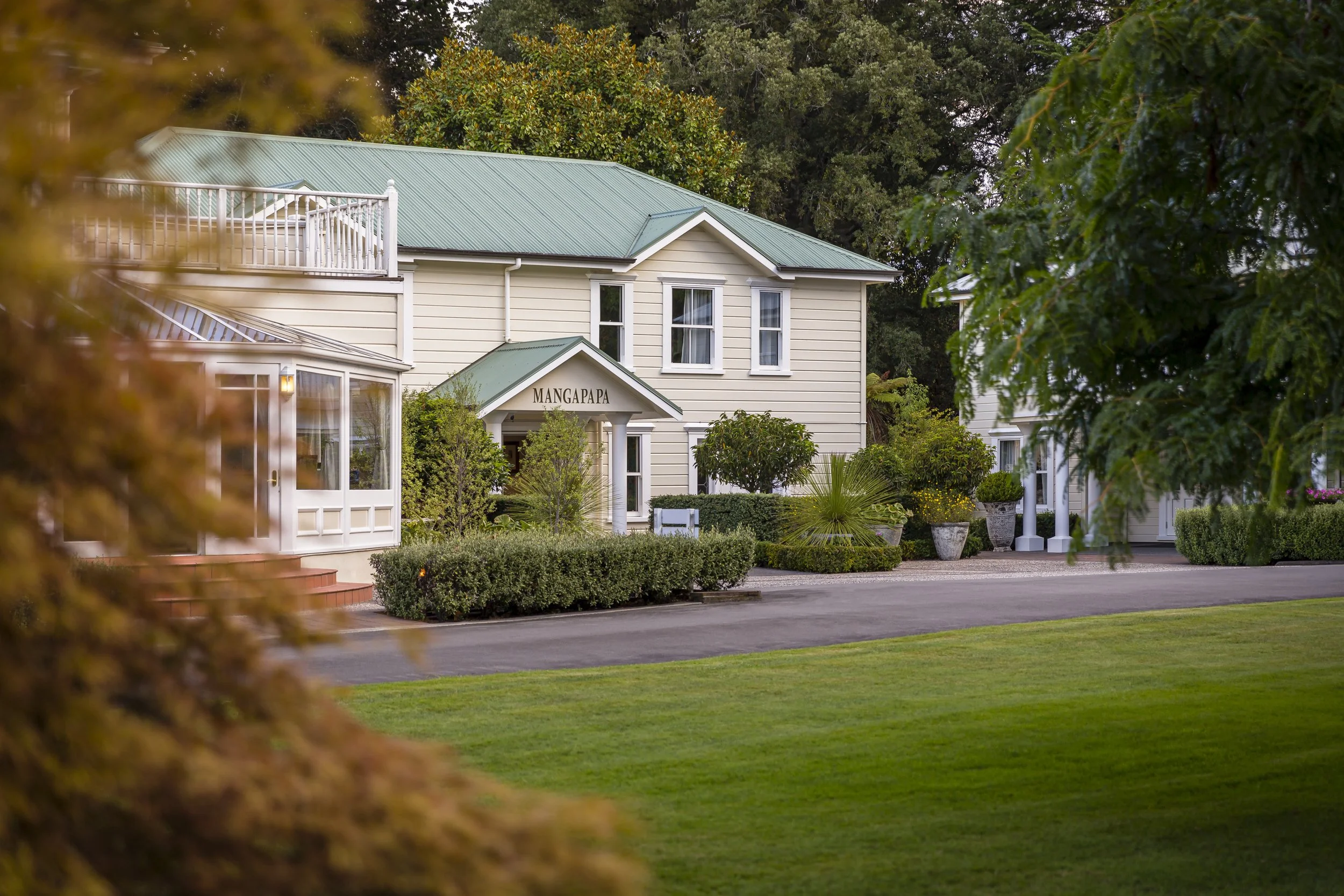
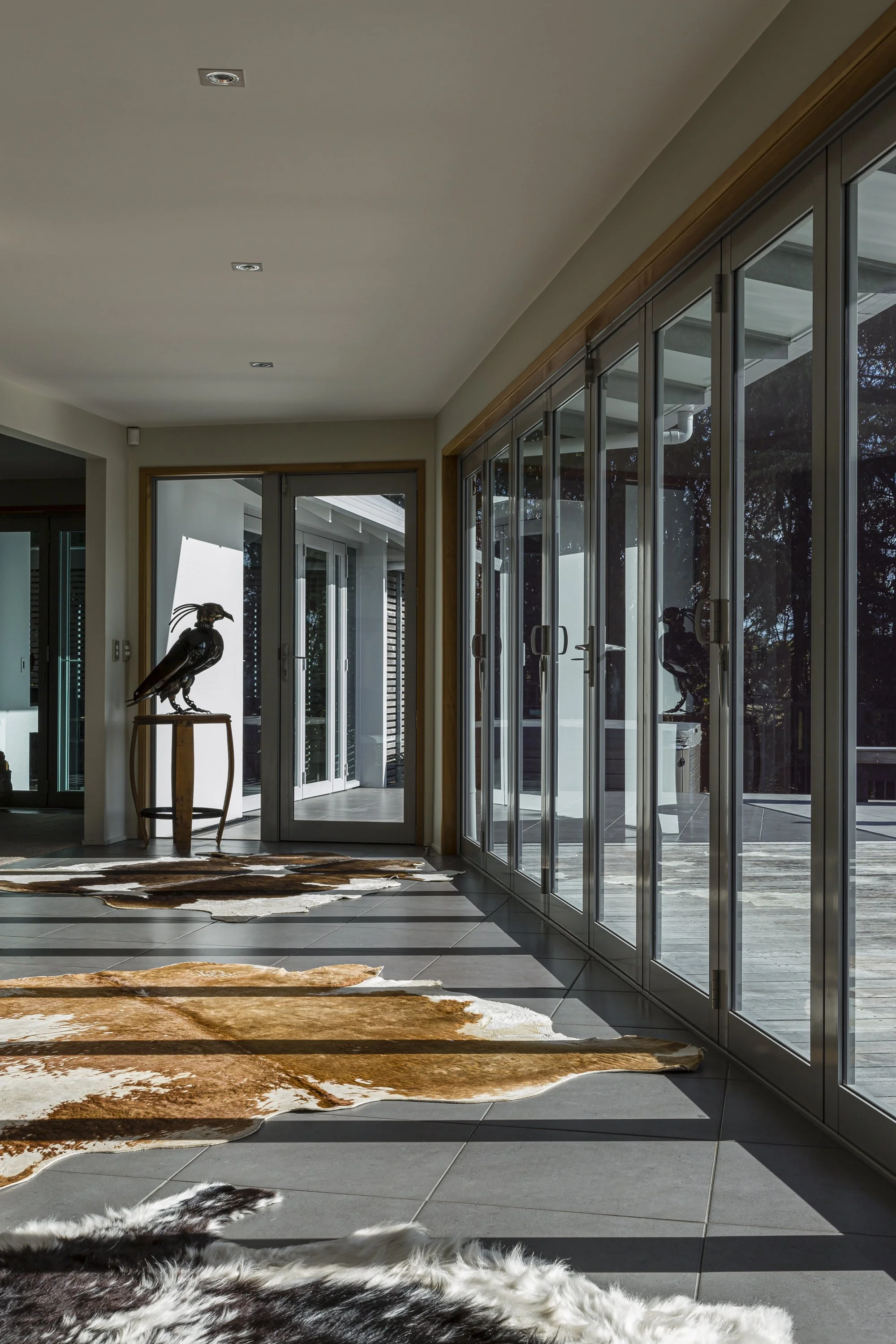
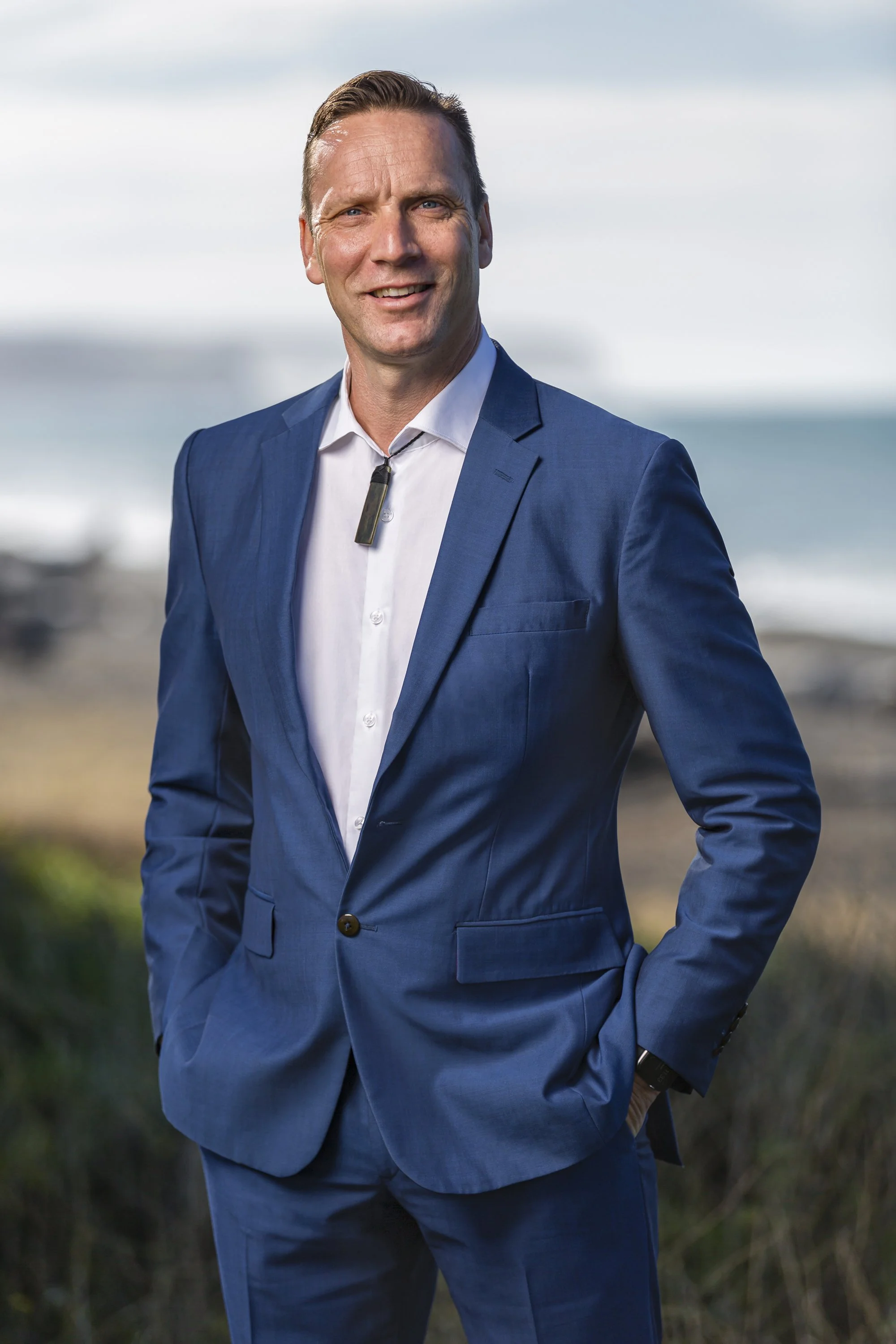
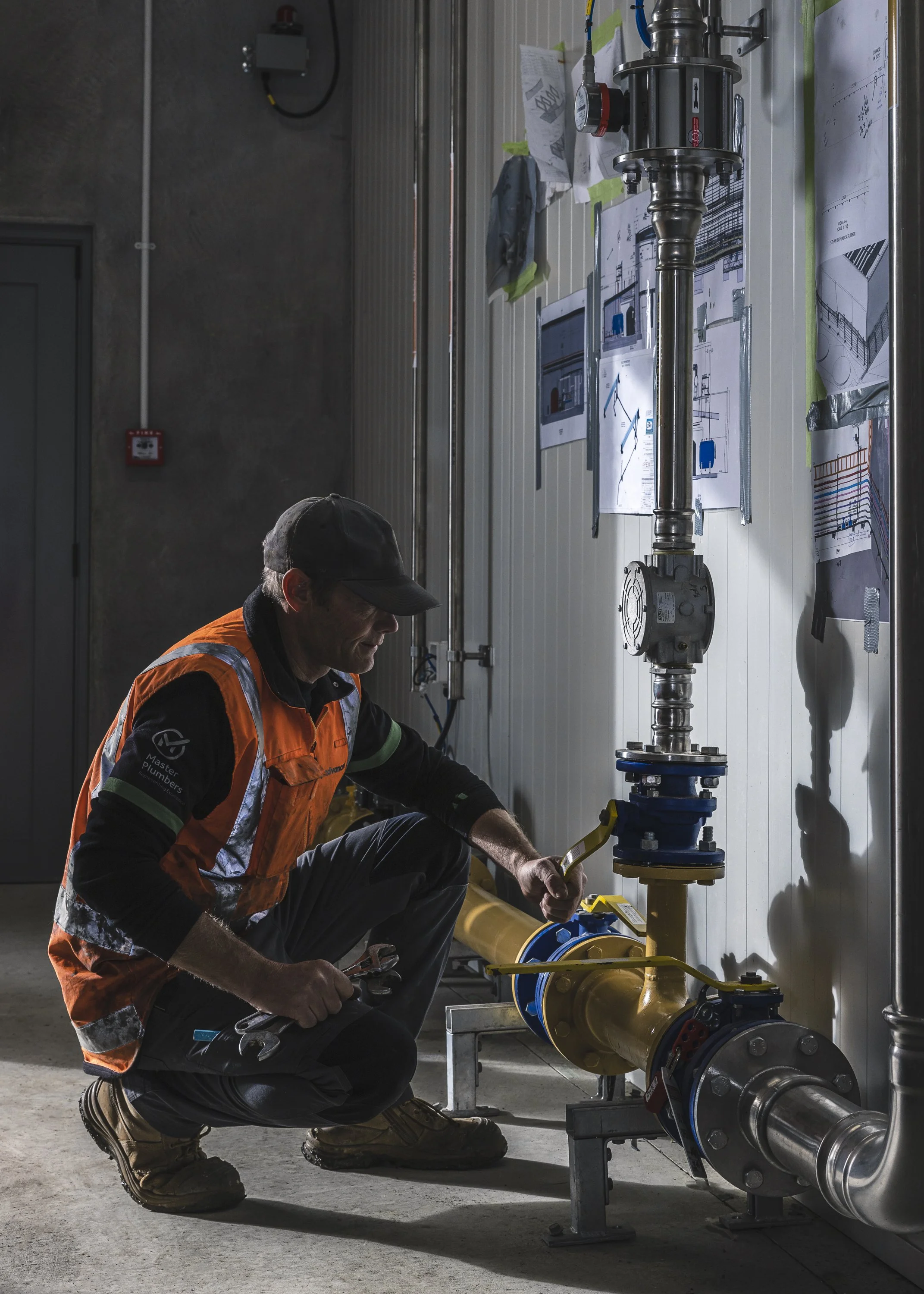
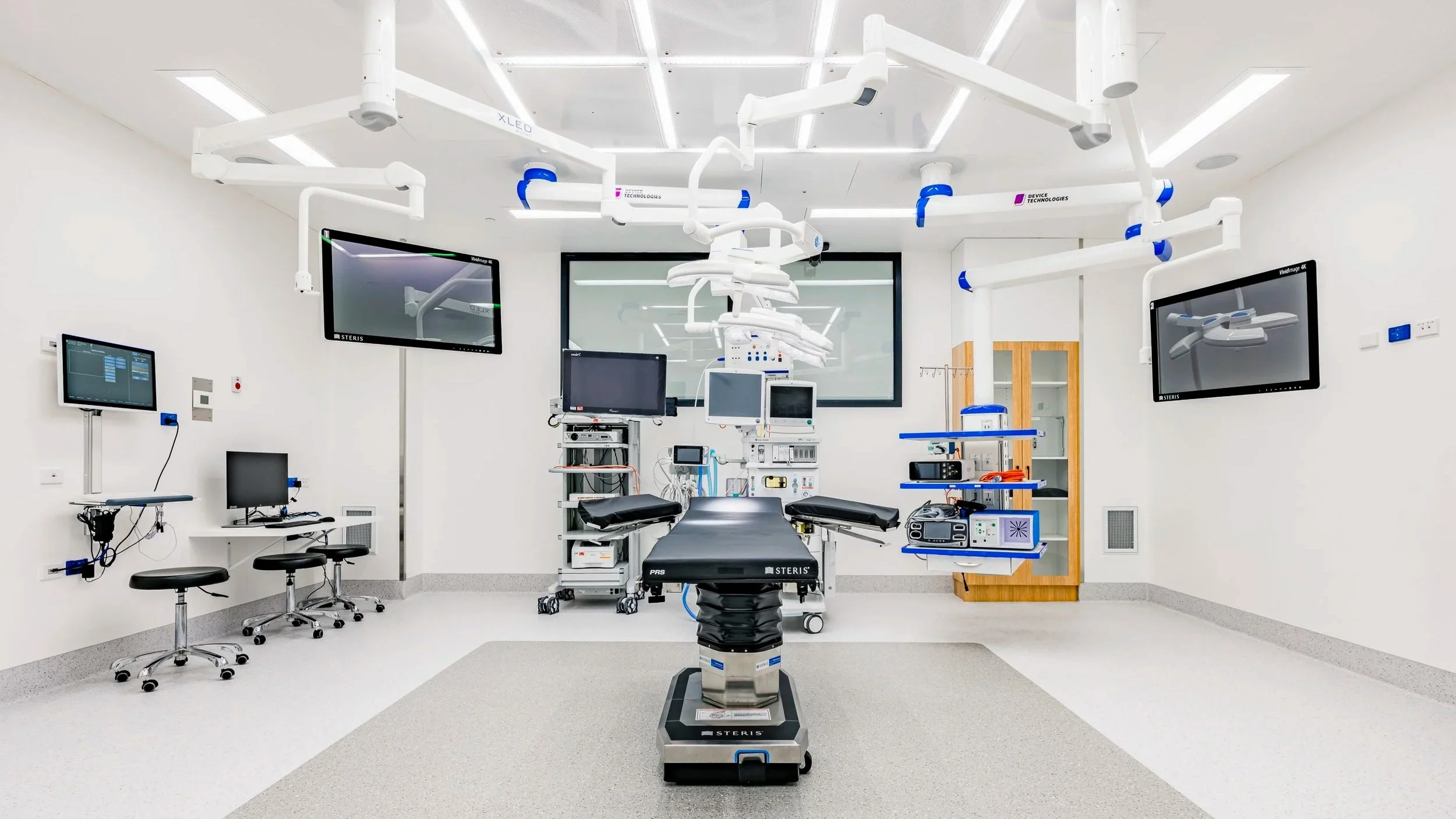
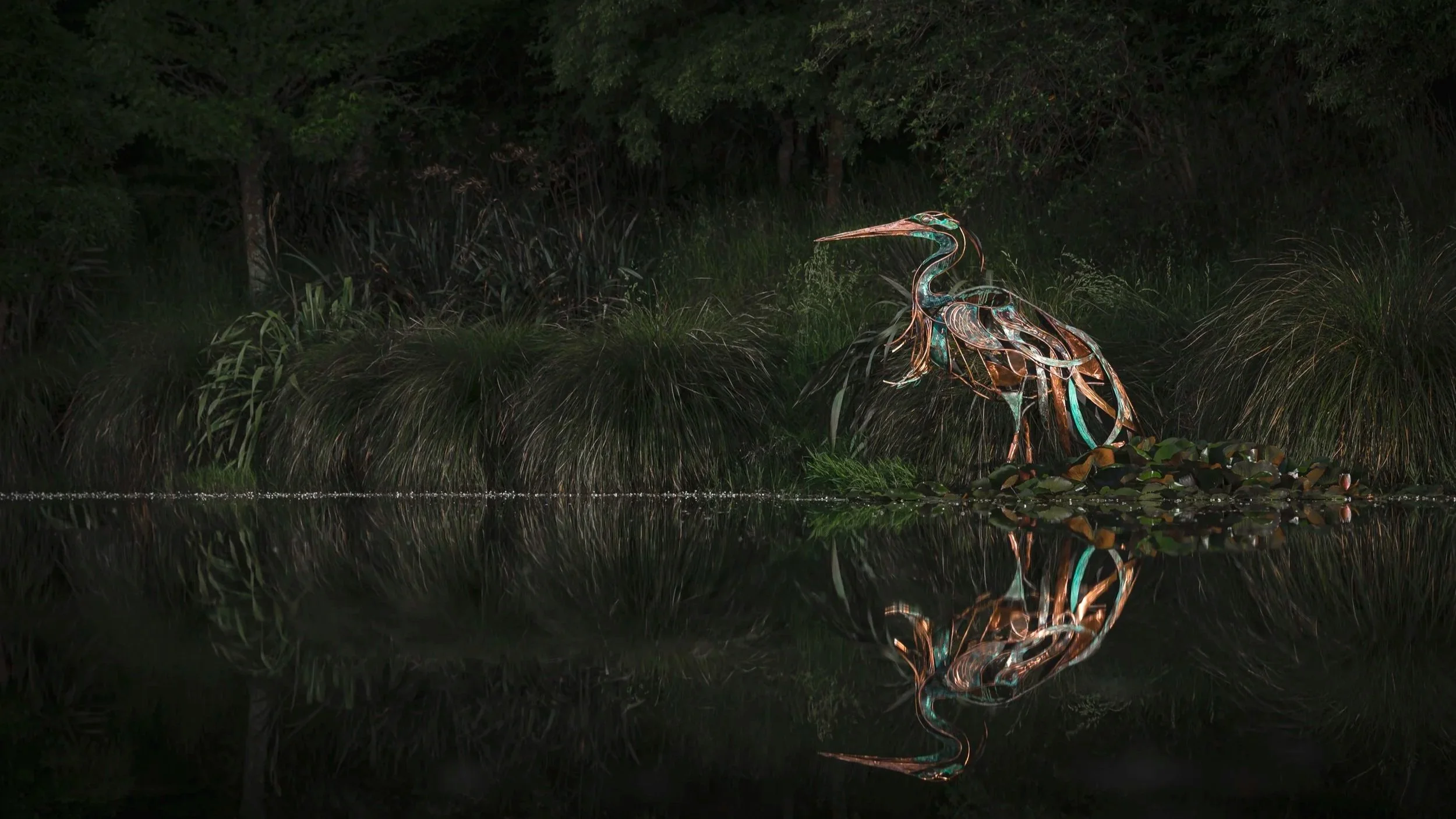
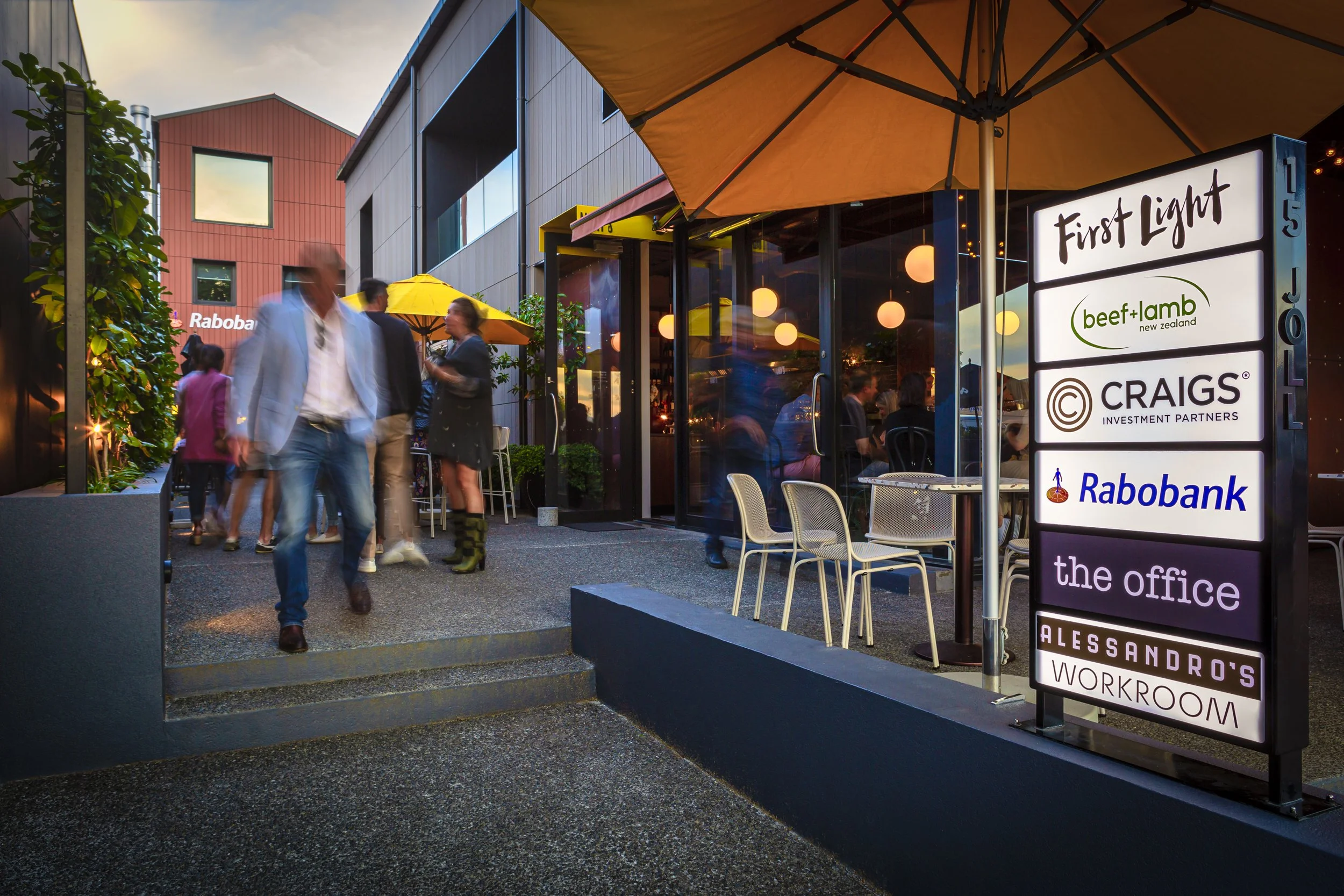
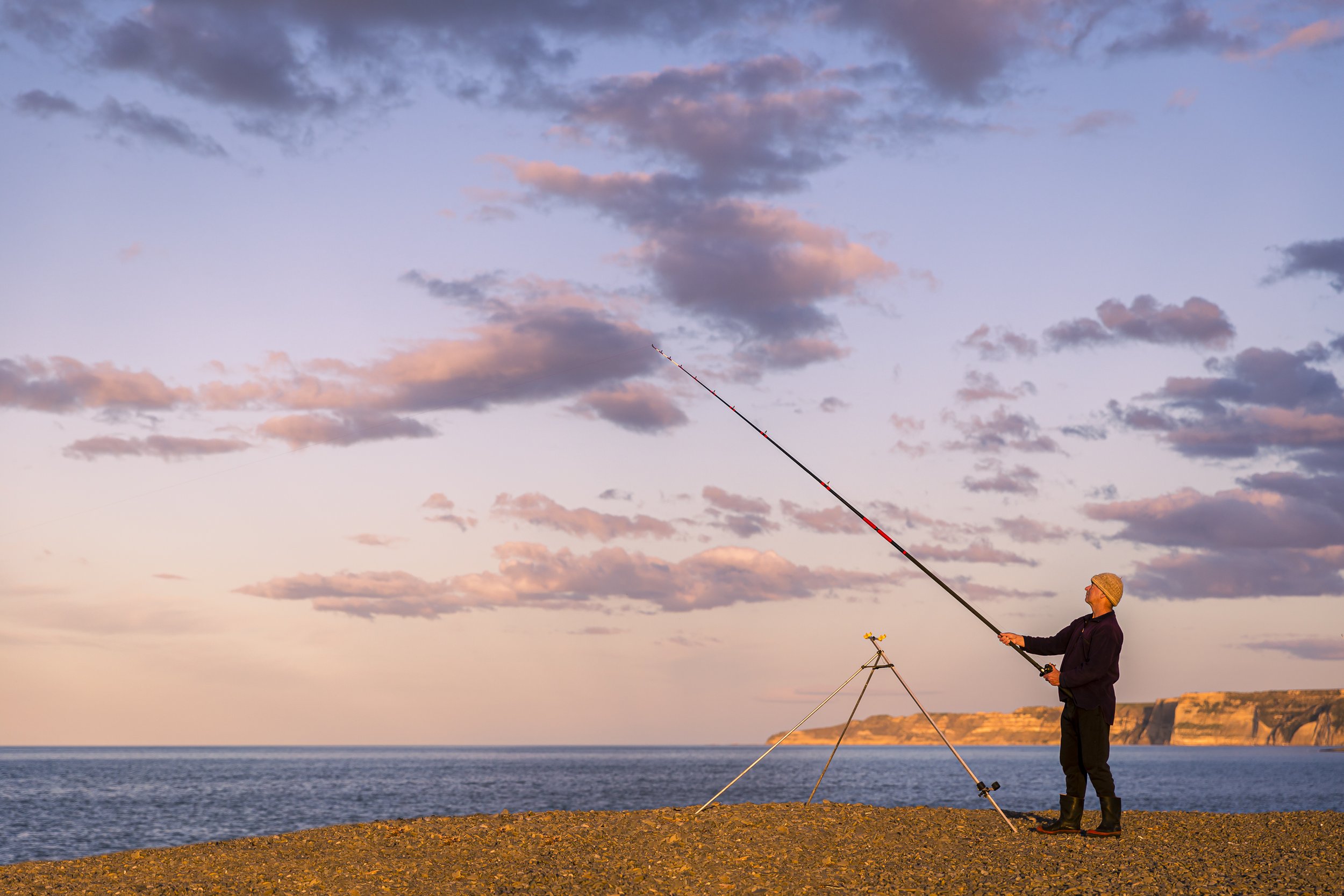
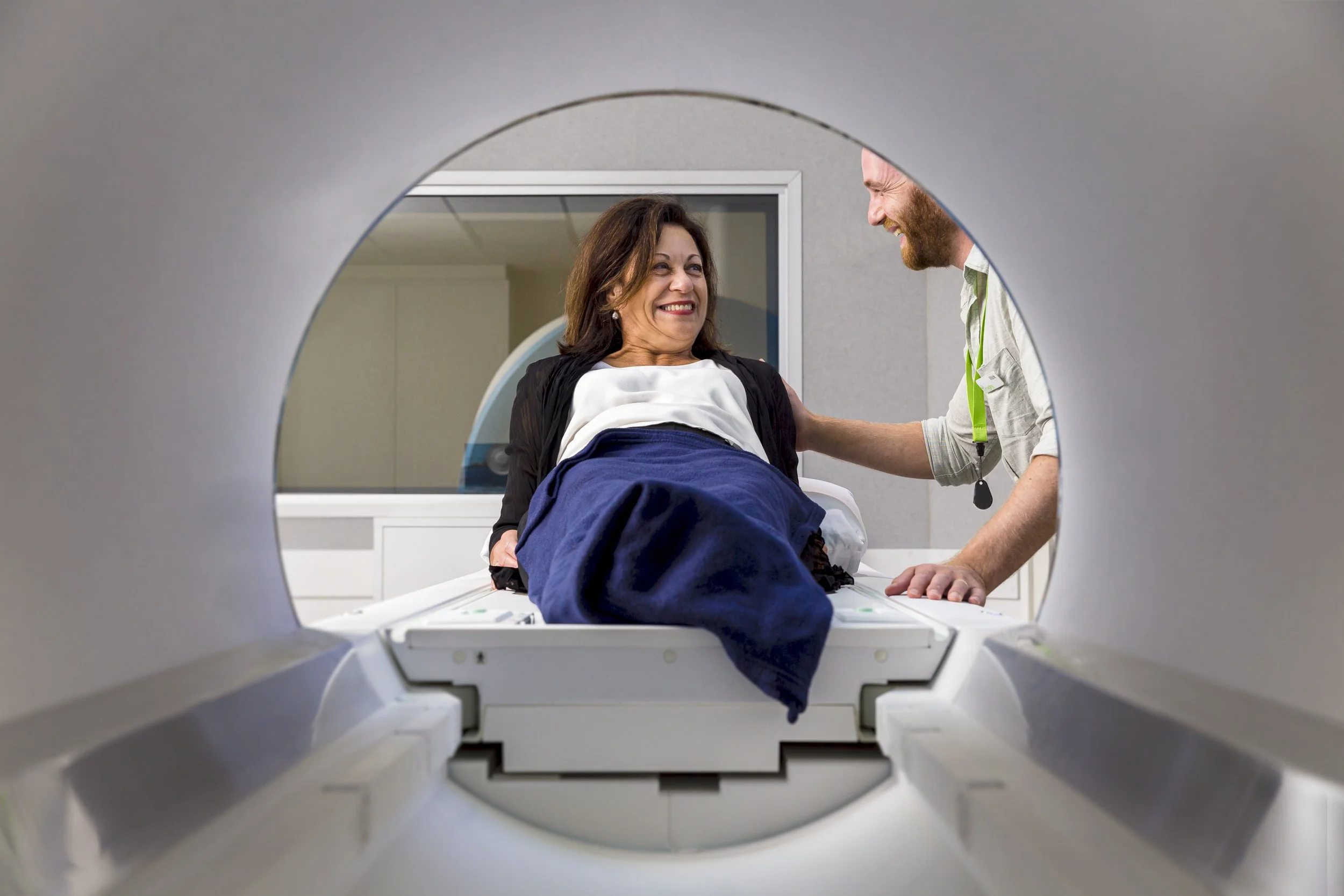
To become an NZIPP-accredited photographer, you have to pass a portfolio review conducted by a panel of industry peers. The submission is 15 commercial images (included in this blog), assessed on composition, technical quality, presentation, and creative execution. There's no shortcut and no partial credit. Either the panel finds the work meets professional standard, or it doesn't.
Alongside the portfolio, you're required to demonstrate sound business practices and agree to abide by the institute's Constitution and Code of Ethics. This isn't just a formality. It means accredited photographers operate under a professional standard that covers how they conduct business, not just how they take photographs.
Applications are submitted across four rounds per year. You register your intention, upload your work when a round opens, and wait for a result. It's a deliberate process.
What this means when you're hiring
If you're a business owner, marketing manager or event organiser comparing photographers, accreditation gives you a useful reference point. It tells you the photographer has had their work evaluated by professionals, not just liked by clients, followers or their families and friends online. It tells you they take the business side of photography seriously, and it tells you there's a professional body they answer to if something goes wrong.
That matters more than it might seem. Unlike some professions, such as legal or medical practice, Photography is an unregulated industry in New Zealand. Anyone can call themselves a professional photographer and start charging for work. The quality, reliability, and professionalism you get can vary enormously. Accreditation is one of the few ways to distinguish between someone who photographs professionally and someone who just photographs and charges.
For events in particular, this distinction is worth thinking about carefully. A corporate event, conference, or awards evening happens once. The photography from that day is what remains. It ends up in annual reports, on websites, in press releases, and in the archive. You don't get a reshoot.
Iris Awards and what they signal
NZIPP also runs the Iris Awards, which is a national competition for professional photographers both in New Zealand, and overseas. Entries are assessed by judges against a defined professional standard, not just ranked against each other. An image that doesn't reach the standard doesn't receive a medal, regardless of how many entries there are in the category.
I've been fortunate to receive multiple Iris Award wins across 2024 and 2025. I mention this not to fill space on a bio, but because it's a useful signal for clients. It means the work has been assessed, repeatedly, by peers with no interest in flattering the result.
Why accreditation is worth asking about
If you're investing in photography for your business or event, it's worth a short conversation about who you're hiring. Ask whether they're NZIPP-accredited. Ask whether they've entered the Iris Awards. Those two questions will tell you a lot about how seriously a photographer takes their craft and their standing in the industry.
I'm accredited and I'm proud of it, not because it's a marketing point, but because it required genuine work to achieve and reflects the standard I hold myself to on every job.
If you'd like to talk about photography for your business or an upcoming event, I'd love to hear what you have in mind. Get in touch at simon@scphotography.co.nz or visit scphotography.co.nz.