Architectural Photography in Hawke's Bay and Taupo: How to Brief Your Photographer for the Best Result
Architectural photography is one of those services where the gap between a good result and a great one often comes down to the brief, not the building.
I've photographed commercial architecture, civic buildings, and residential developments across Hawke's Bay and the Central North Island, including the Taupo region. In that time, the shoots that produce the most useful images are almost never the ones with the most impressive projects. They're the ones where the client came prepared.
If you're an architect, developer, or commercial property operator thinking about commissioning architectural photography, here's what I've learned about how to set a shoot up for success.
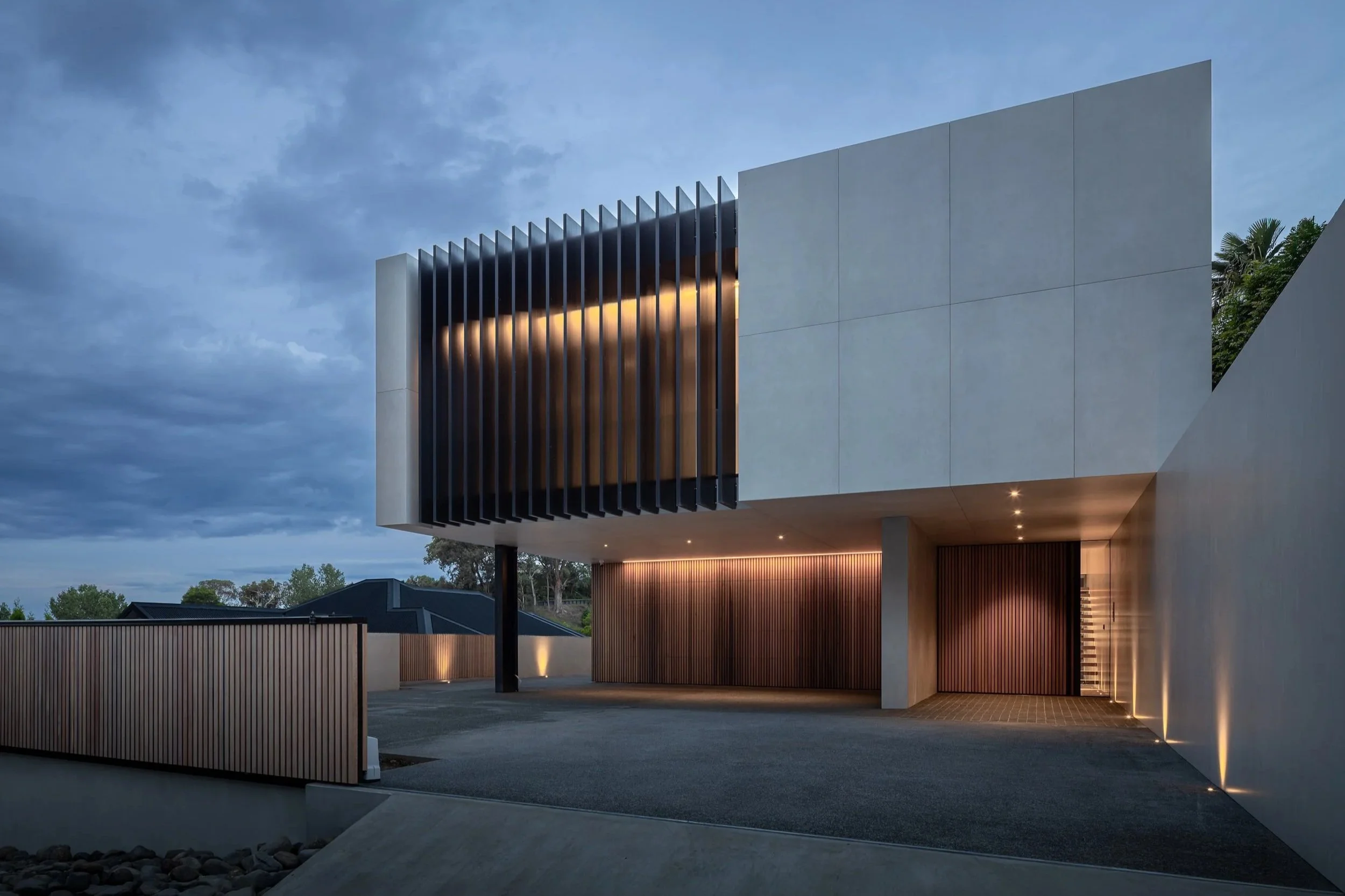
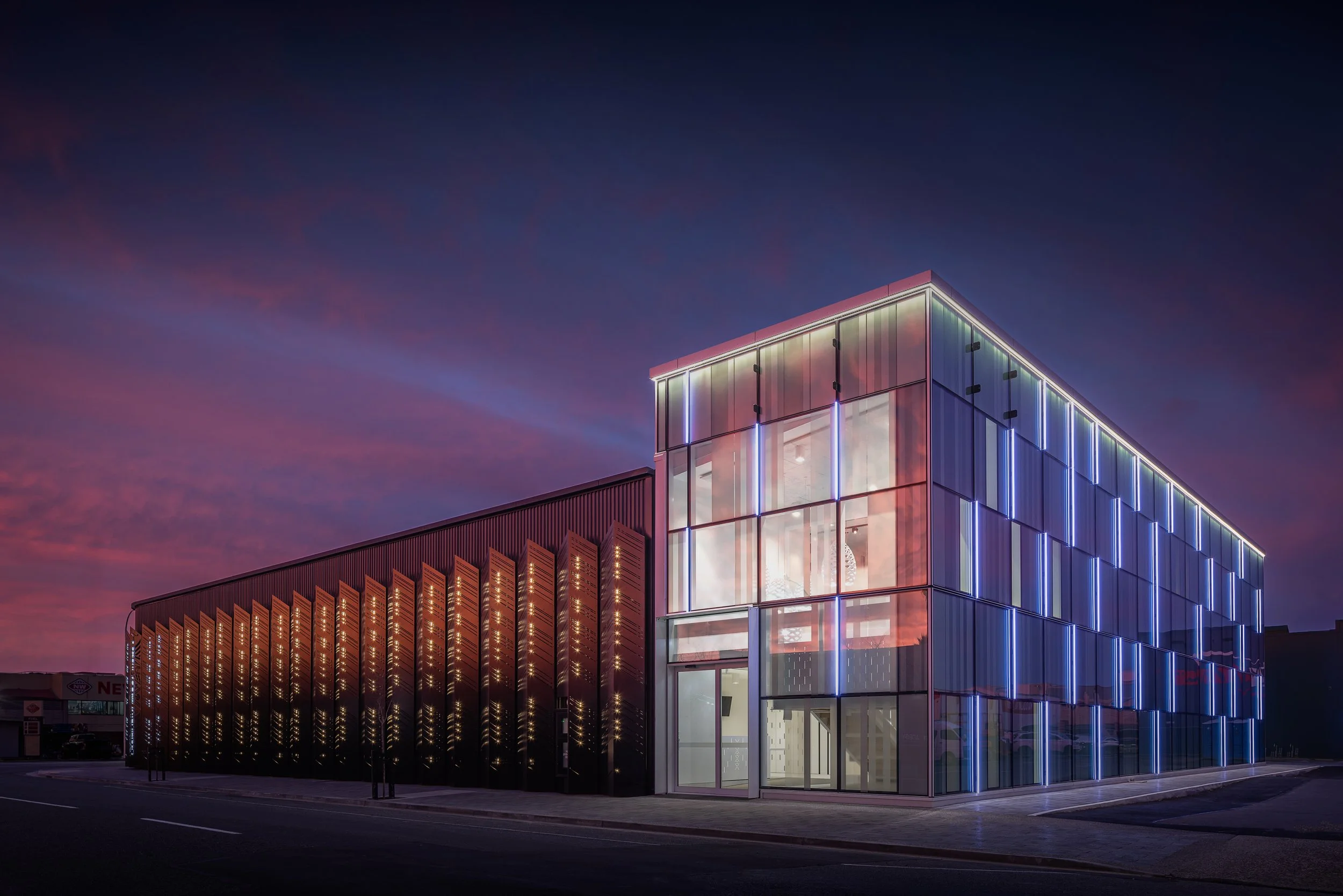
Start with where the images will be used
This is the single most important question to answer before anything else. Images for a resource consent application have different requirements than images for a design award submission or a property marketing campaign. Sometimes those needs overlap. Often they don't.
Award submissions, for example, typically require images that read well at small size, in a panel layout, alongside drawings and documentation. A property marketing image, by contrast, needs to sell an emotional response at full width on a screen or hoarding. If I know this up front, I can frame and expose accordingly.
Tell your photographer where the images are going. Be as specific as you can. "We might use them somewhere" is the one brief that almost guarantees you'll end up short on what you actually need.
Timing the shoot matters more than most people realise
Light is everything in architectural photography. Getting it working for you, rather than against you, means thinking carefully about timing.
North-facing elevations catch the best direct light in the morning. South-facing facades often look flat in full sun and better in overcast conditions. Interior spaces that rely on natural light need the shoot timed around when that light actually enters the building, not just when it's convenient.
Winter is actually an excellent time for interior architectural photography across the Hawke's Bay and Taupo regions. The lower sun angle creates longer, warmer light that works particularly well indoors, and the diffuse light of an overcast winter day is very forgiving for spaces with mixed lighting conditions. In the Taupo region, lakeside and hill-country properties have their own considerations, particularly the way low morning light plays across water and reflects back into north-facing facades.
Talk to your photographer about timing before you lock in a date. A brief conversation early on can save a lot of frustration later.
Prepare the space the way you'd prepare for a client presentation
A building that's ready for photography is one where every decision about what's visible has been made deliberately. That means removing things that shouldn't be there, adding things that should, and thinking about the story you want the images to tell.
For commercial architecture, that often means staging the space to reflect its intended use. An empty boardroom tells one story. The same room with considered furniture placement, good lighting, and a view to the landscape outside tells a very different one.
It's worth thinking about vehicles in carparks, construction debris around new builds, temporary signage, and bin storage areas that might sit just outside frame on one side but creep into another. These things are easy to address before a shoot and much harder to remove in post.
I always do a walkthrough at the start of a shoot to identify anything that needs attention. But the more prepared a space is when I arrive, the more time we can spend making the most of it rather than managing it.


Think beyond the hero shots
Most architectural briefs lead with the obvious: the facade, the entrance, the signature interior space. Those are important, and they should be on the list. But the images that often get the most use are the ones that support the hero shots, the detail shots, the sequences that explain how a space works or what makes it distinctive.
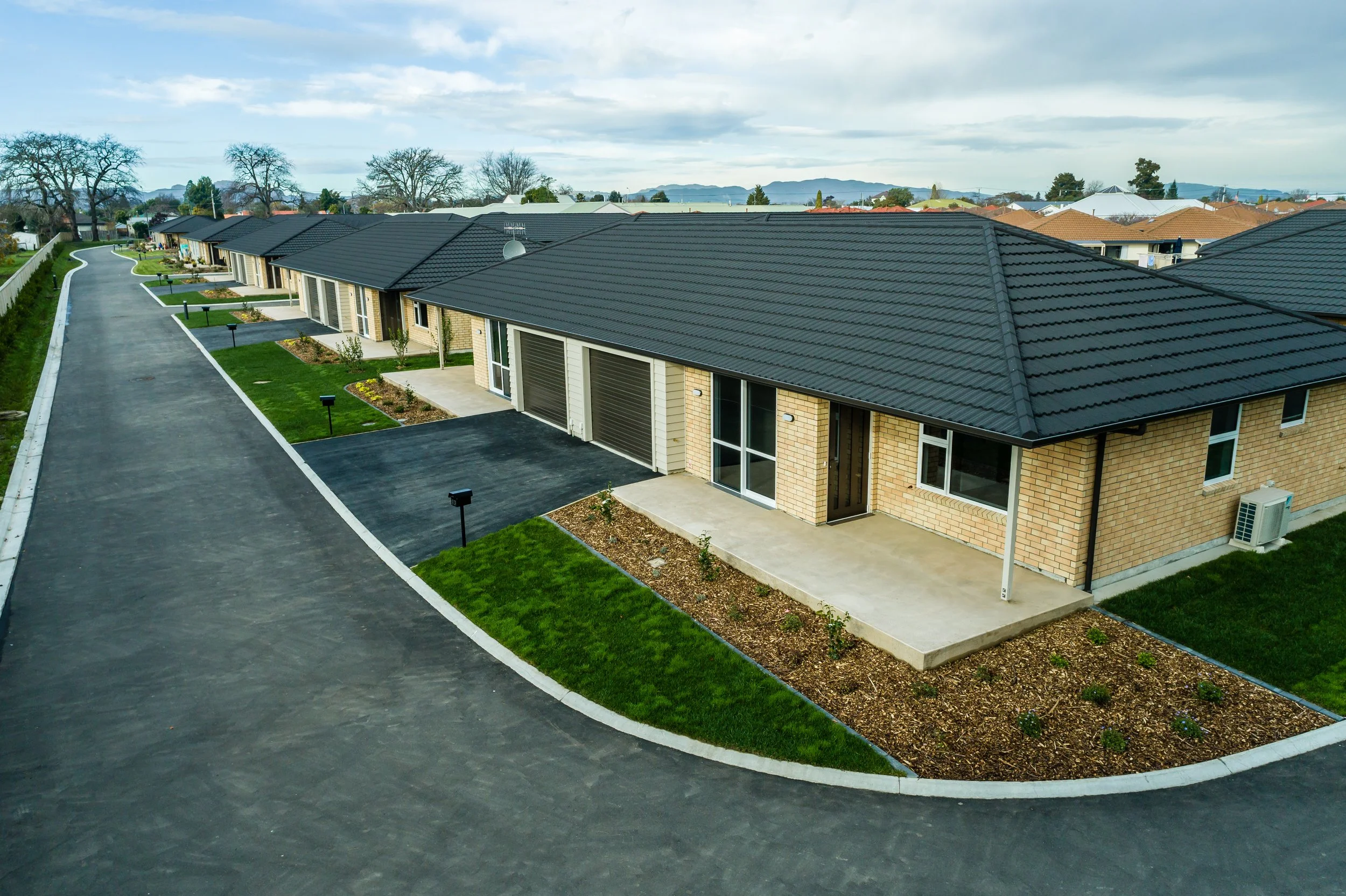
For a tender document or design award submission, you'll want a range of scales, from overview to close detail. For marketing, you'll often want images that show the building in relation to its setting, whether that's the Hawke's Bay landscape, a Taupo lakeshore, or the wider site context.
Putting together even a rough shot list before the shoot gives your photographer something to work from and ensures you leave with complete coverage rather than discovering a gap when you're three weeks into the submission process.
Aerial photography and what it adds
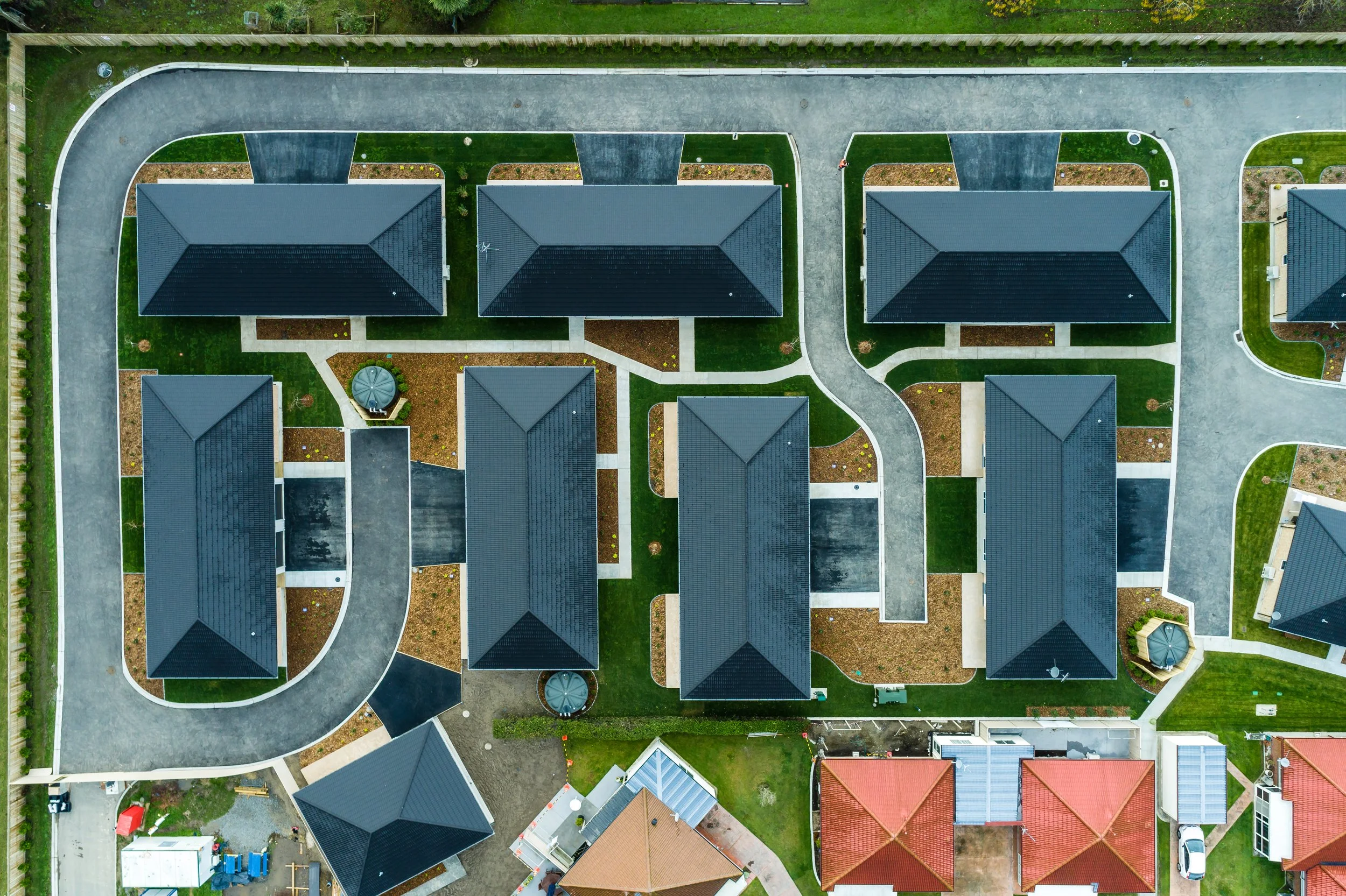
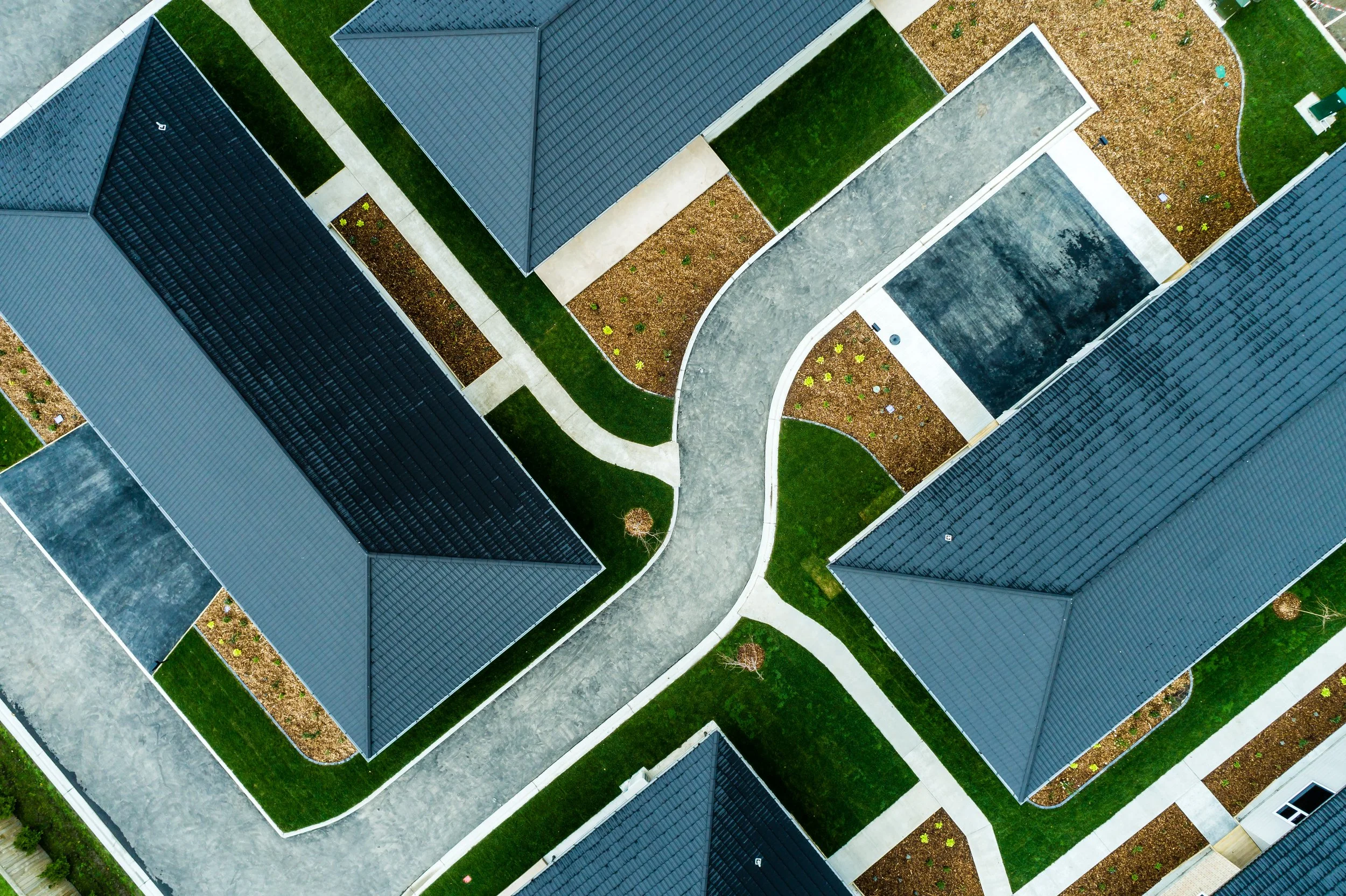
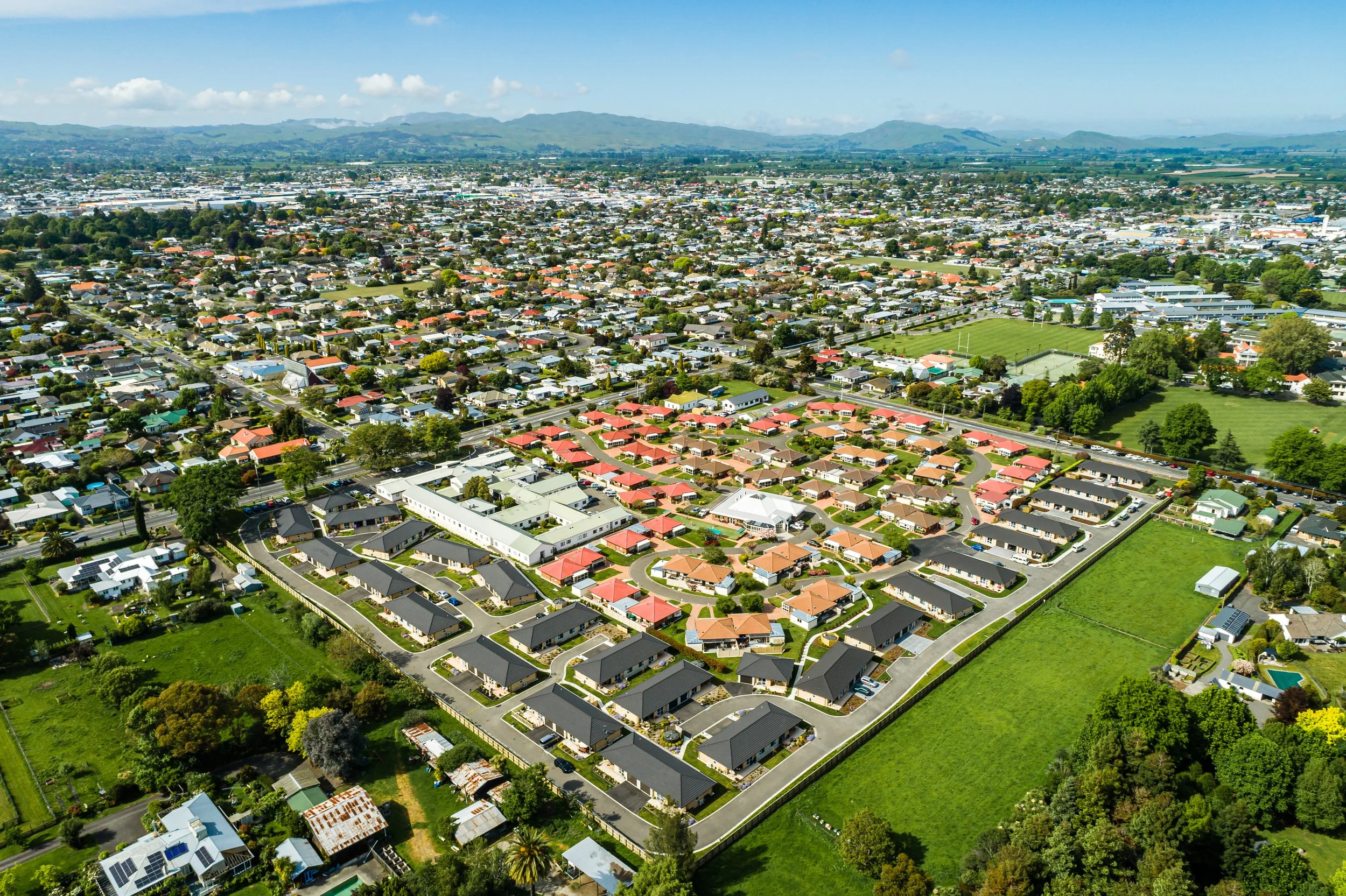
Many architectural projects benefit from aerial coverage, and this is particularly true for properties in the Taupo region. A drone perspective shows site context, landscaping, and the relationship to the surrounding environment in a way that ground-level photography simply can't replicate. For lakeside and rural properties around Taupo, aerial photography often does even more of the heavy lifting. The relationship between a building and the lake, the surrounding landscape, or a rural setting is something only a drone perspective can fully convey.
If aerial photography is something you're considering, it's worth discussing during the brief. Airspace permissions and wind conditions can affect scheduling, so the earlier that conversation happens, the smoother it goes on the day.